
15 June 2026 · Michael Thompson
How Programming Can Reduce Risks in the Insurance Sector

In the fast paced world of insurance, managing risks effectively has always been a core challenge. Companies deal with uncertainties ranging from natural disasters to fraudulent claims, and this is where programming steps in as a powerful ally. By leveraging code and algorithms, insurers can process vast amounts of data quickly and make smarter decisions that protect both the business and their clients.

One major way programming reduces risks is through predictive modeling. Developers create machine learning models that analyze historical data to forecast potential claims. For example, a program might examine weather patterns, property details, and past incidents to predict the likelihood of a flood damaging a home. This allows insurers to adjust premiums accurately and offer targeted coverage options that prevent under or over insurance situations.
Automating Routine Processes
Automation is another key benefit. Manual underwriting can be prone to human error, but with well written scripts and software, many tasks become consistent and reliable. An insurance firm might use Python based tools to scan applications for red flags automatically. This speeds up approval times while flagging high risk cases for deeper review by experts.
Detecting Fraud with Code
Fraud detection has seen huge improvements thanks to programming. Algorithms can spot unusual patterns in claim submissions, such as repeated claims from the same address or inconsistent details across documents. By integrating these systems, companies reduce losses from false claims without slowing down legitimate payouts.
Programming turns raw data into actionable insights that keep risks manageable.
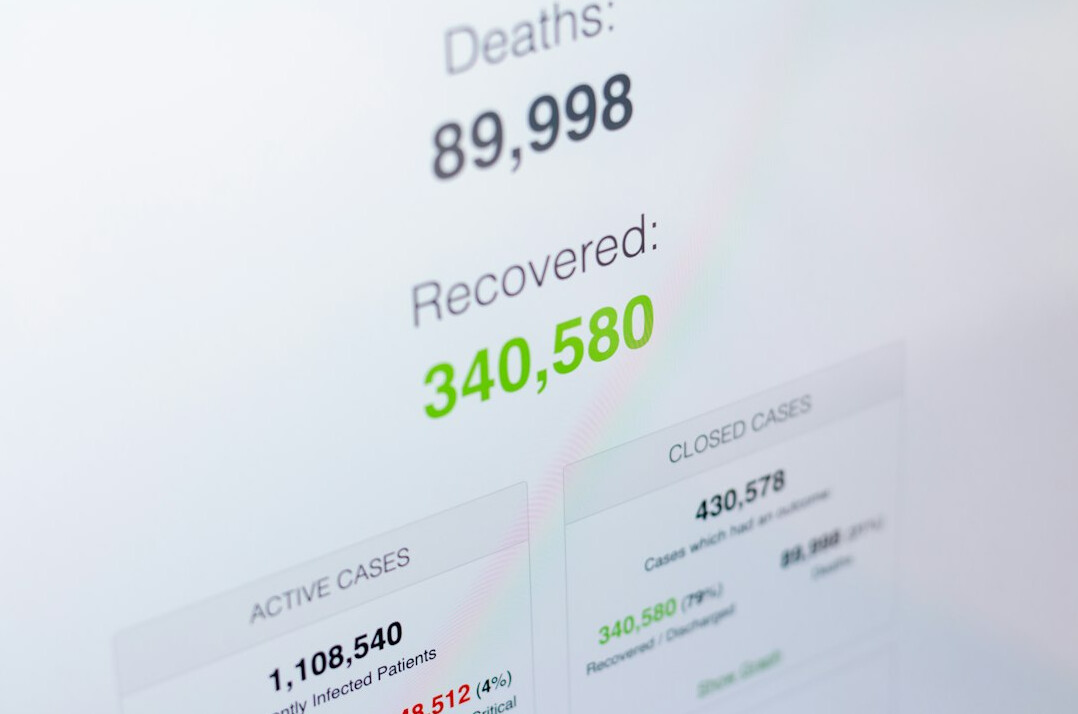
Beyond detection, programming enables real time monitoring. Sensors and apps connected to insurance platforms can track vehicle behavior for auto policies or home security for property coverage. Code processes this live data to alert policyholders of risks before they escalate into claims.
Enhancing Customer Communication
Clear communication also plays a role in risk reduction. Programmers build chatbots and personalized portals that educate customers on preventive measures. A well designed app might send reminders about maintenance checks or offer tips based on user data, lowering the chance of incidents occurring in the first place.
- Improved accuracy in risk calculations
- Faster response to emerging threats
- Better compliance with regulations through automated checks
- Enhanced scalability for growing portfolios
Overall, these programming advancements create a more resilient insurance sector. They shift focus from reacting to problems toward preventing them, ultimately leading to lower costs and higher trust from customers.
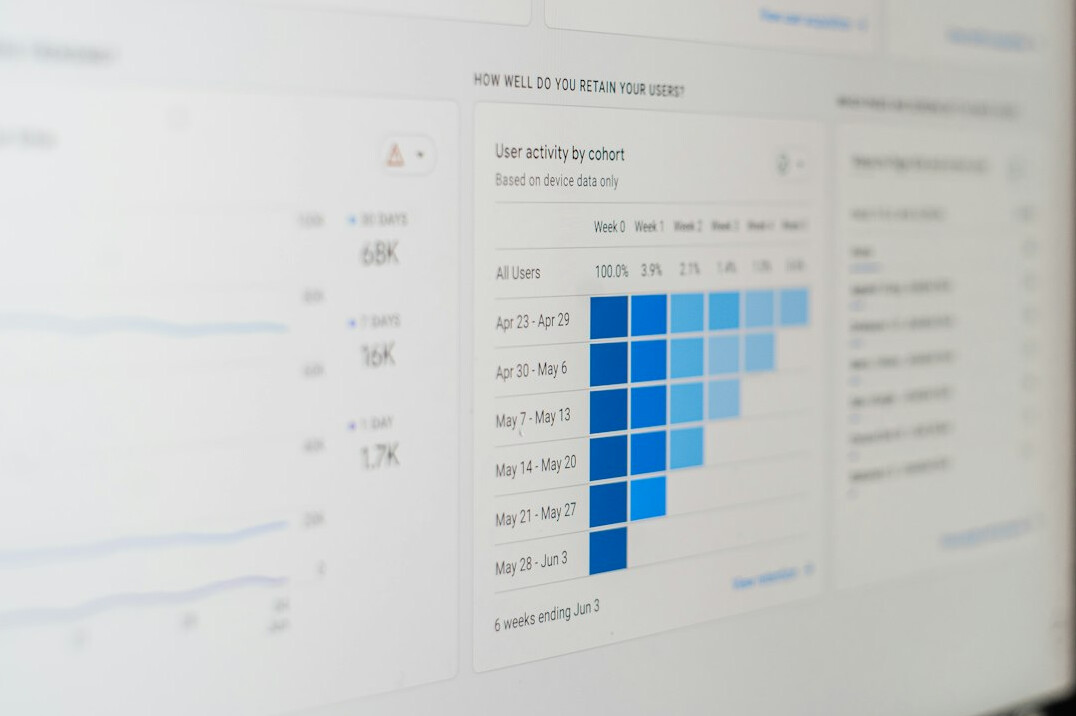
As technology evolves, so do the possibilities. New frameworks allow for even more sophisticated simulations of worst case scenarios, helping firms prepare contingency plans. This proactive approach not only safeguards finances but also builds stronger relationships with clients who feel supported rather than just insured.